
Collector guides
Plain-English guides to the hobby — what to hunt for, what the lingo means, and where to check values and releases. Written for the peg-hunter, not the price-flipper.
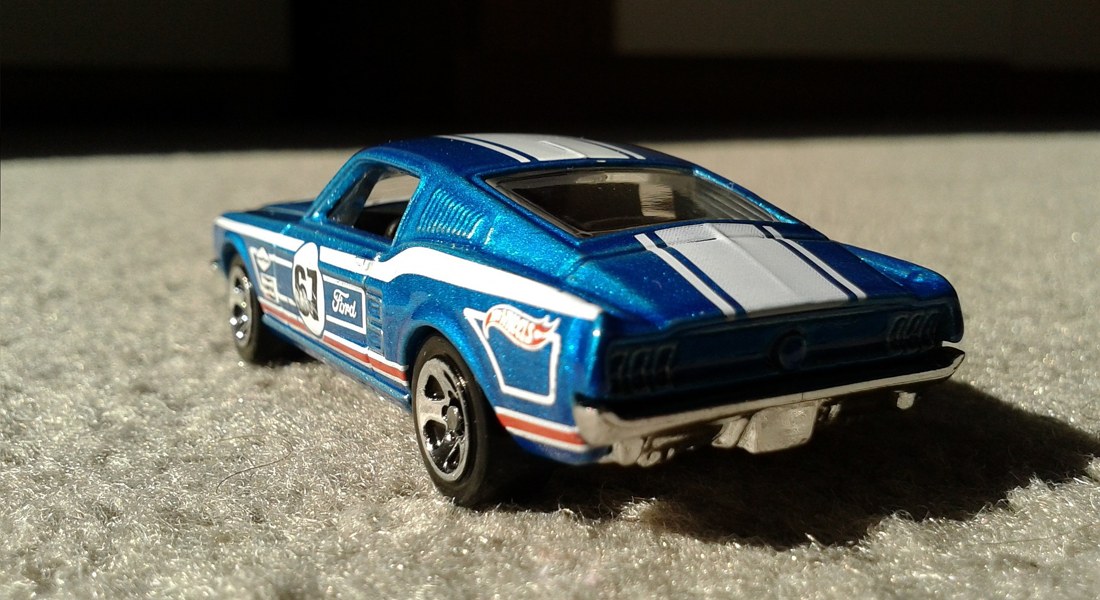
Mainlines vs premiums
The core split — basic peg cars versus metal-body premiums.
What is ZAMAC?
Raw bare-metal editions, and how to spot a real one.
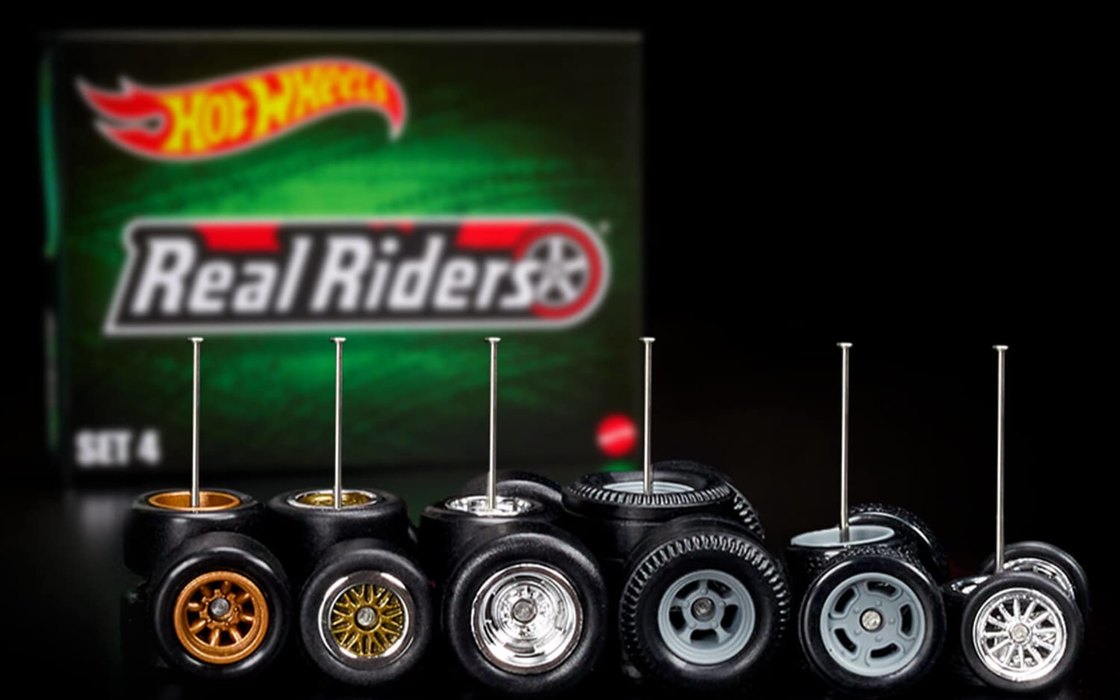
What are Real Riders?
Rubber tires, and why collectors pay more for them.
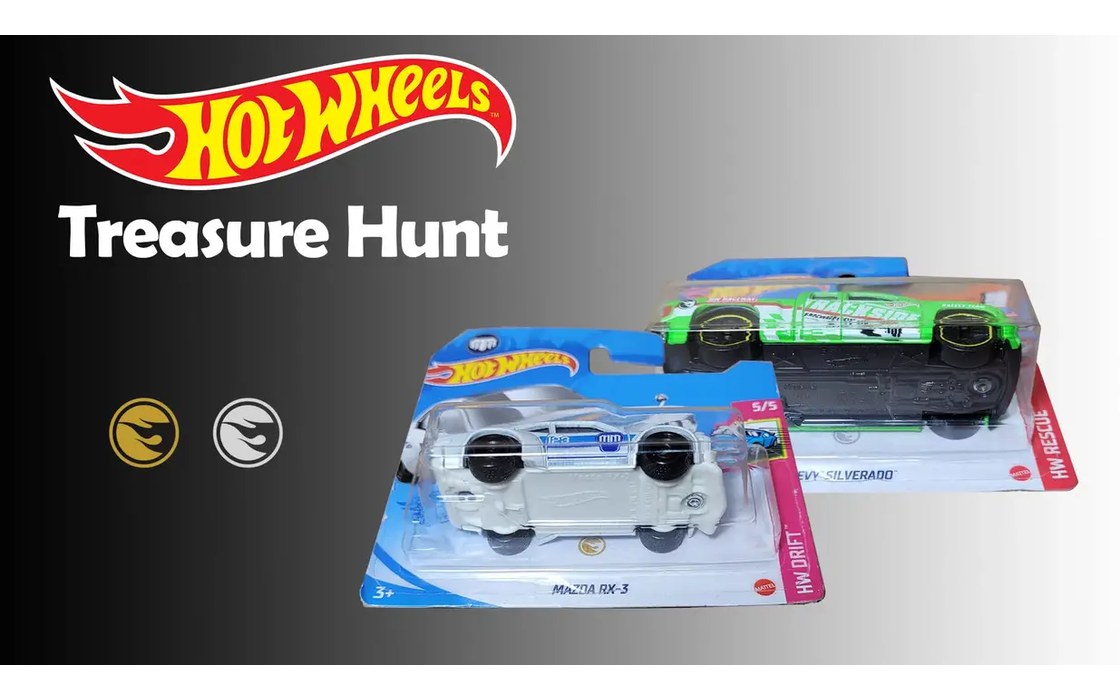
Spotting Treasure Hunts
The circle-flame symbol and what it tells you.
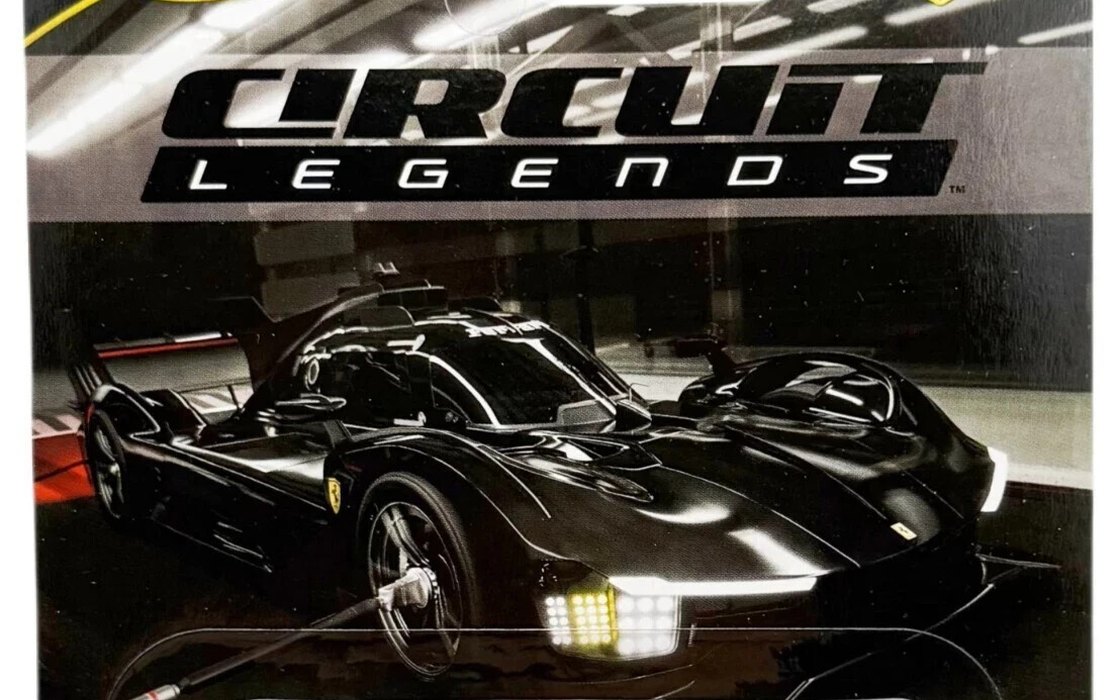
Identify a chase
How to tell a chase from a regular casting.
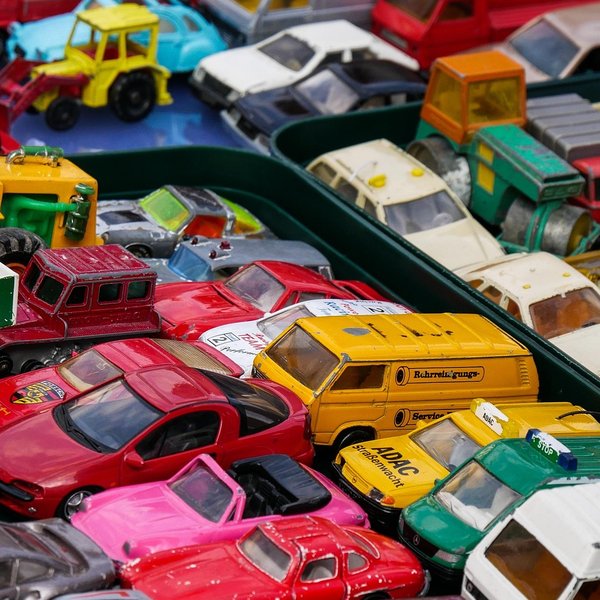
Storing & protecting
Keep castings mint over time, carded or loose.
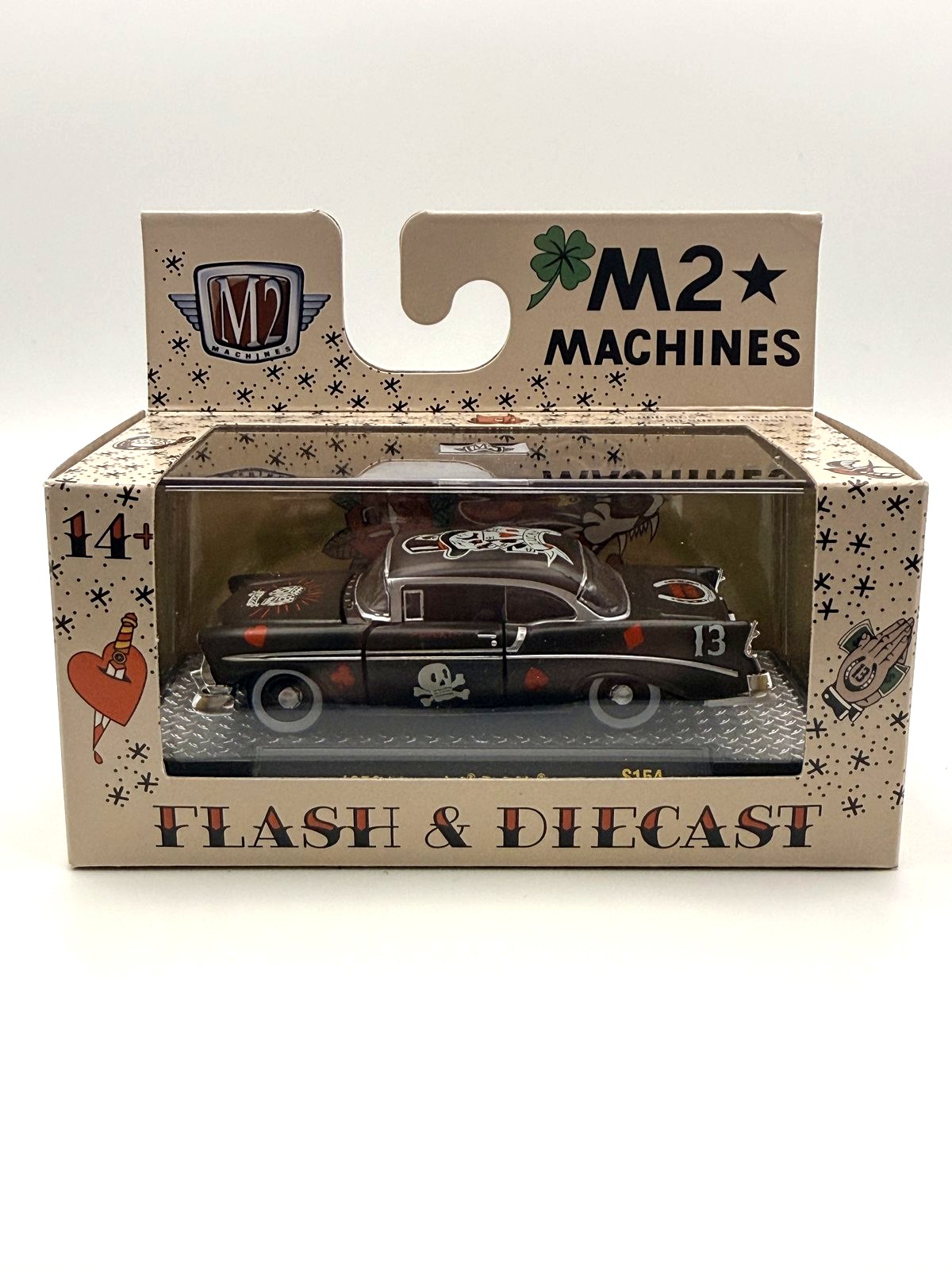
M2 Chase & Super Chase
M2's rare variants and what the box-top numbers mean.
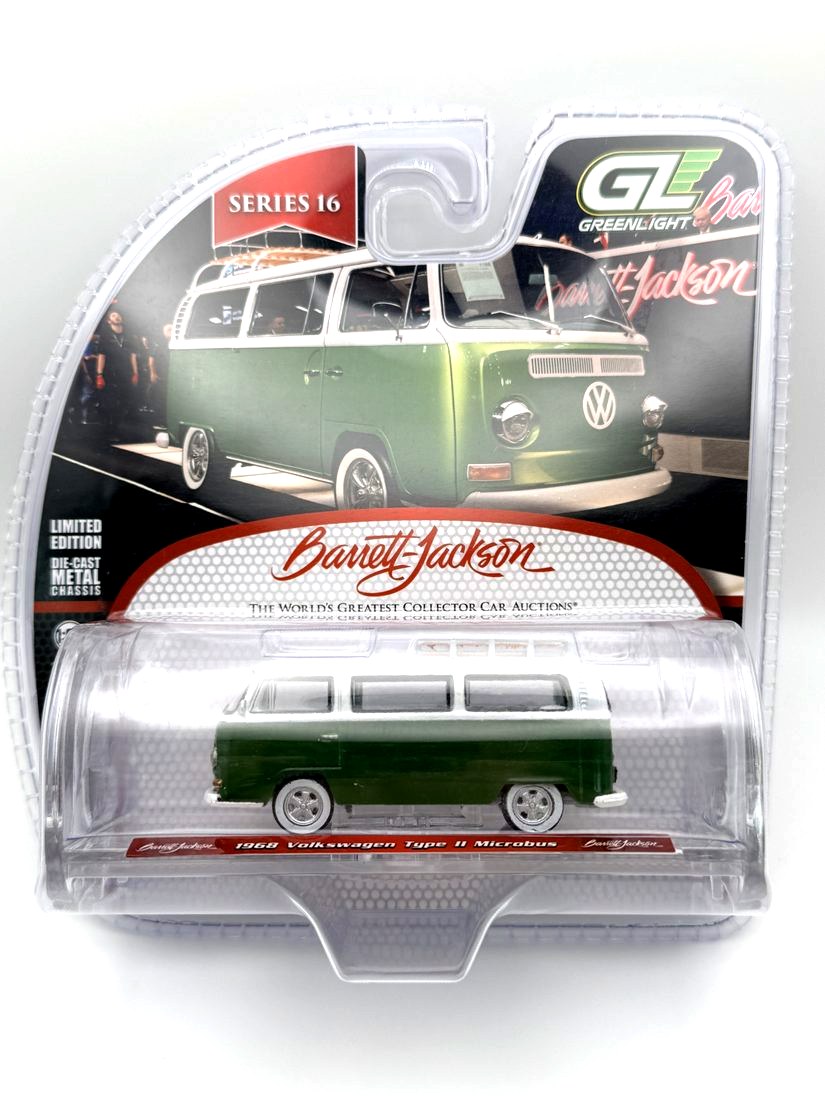
Greenlight & Green Machines
Greenlight's chase, the Green Machine, and how to spot it.
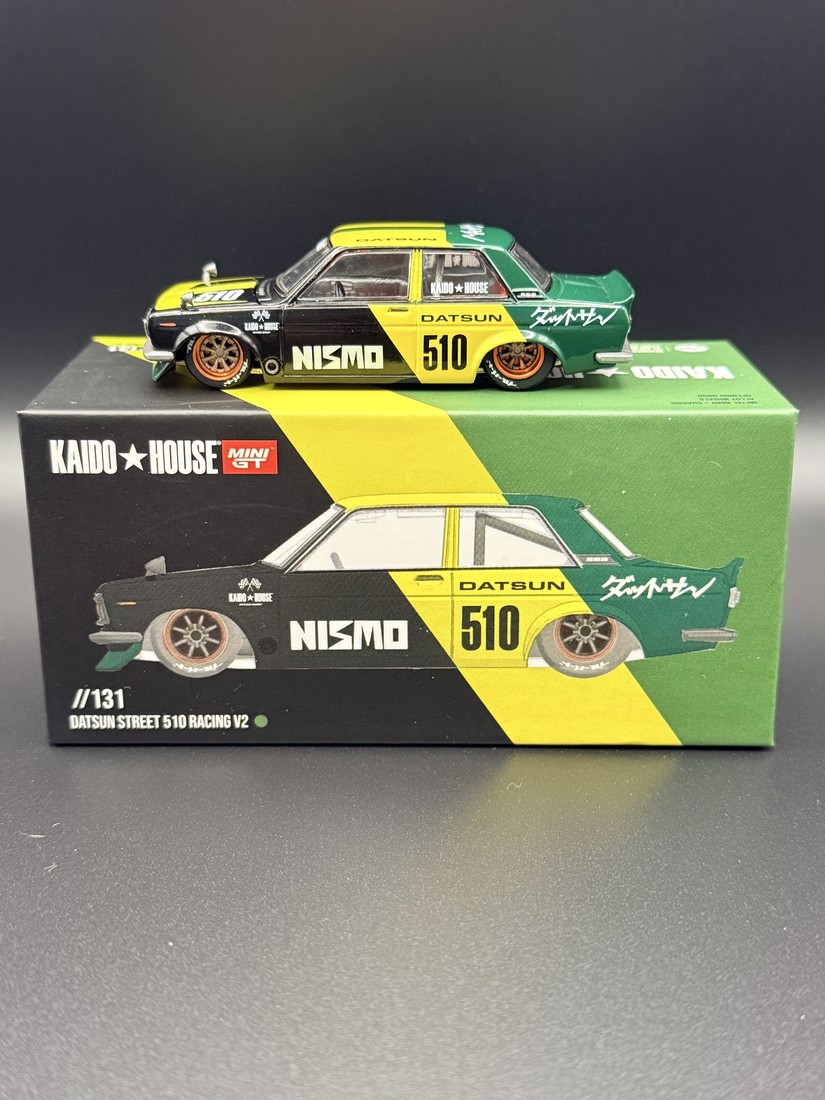
Kaido House explained
Jun Imai's builds, the KHMG numbers, and how versions stack up.
Should I keep cars carded or open them?
Both are valid ways to collect. A sealed, un-creased card holds value best for rare and premium pieces, while loose cars display well and are easier to store and handle. For anything scarce — chases, Treasure Hunts, Supers — most collectors leave it carded. See Storing & protecting for the full rundown.
How do I protect the cars I already own?
Keep them out of direct sun and heat, use card protectors for carded pieces and display cases for loose ones, and handle loose cars by the base to keep fingerprints and wheel wear down. The Care & storage guide walks through it step by step.
How are orders packed and shipped?
Each car is wrapped and packed snug in a right-sized box so it can't shift — carded cars protected from bending, loose cars from rattling. Orders ship tracked, and multiple wins from the same show are combined into one package.
What's the difference between a mainline and a premium?
Mainlines are the standard $1–2 cars with basic wheels and enamel paint; premiums use metal bodies, rubber tires, and richer finishes at a higher price. The Mainlines vs Premiums guide breaks down what you're paying for.